Zip Code Roulette: Figuring Out Where Online Betting Is Actually Legal in the US
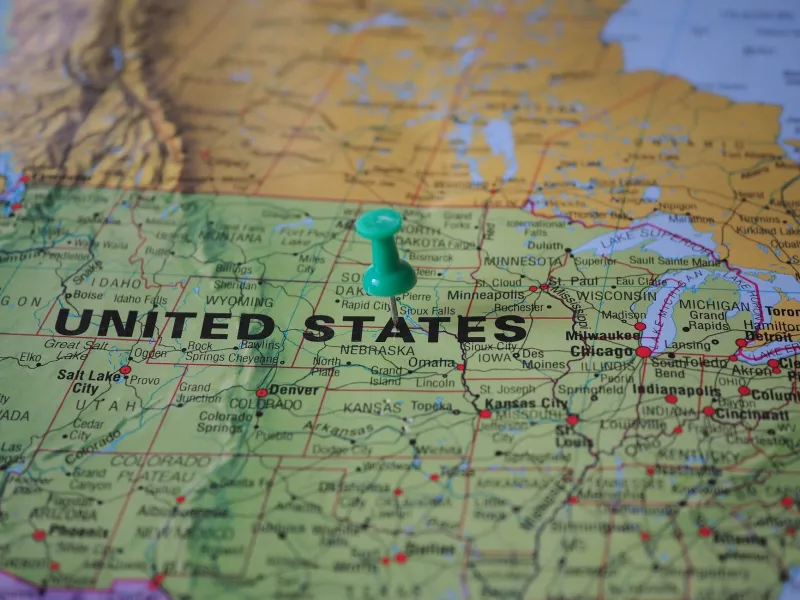
If you've ever tried to make sense of US gambling laws, you know the feeling. You pull up a site, try to register, and suddenly you're staring at a message telling you your state isn't supported. Or worse — you sign up just fine, deposit money, and only later discover you were operating in murky legal territory the whole time. The American gambling landscape is, to put it politely, a mess. But it's a navigable mess, and understanding it can save you a lot of headaches.
Here's the thing: there's no single federal law that says "online gambling is legal" or "online gambling is illegal" across the board. What exists instead is a complicated web of state laws, federal statutes, and regulatory gaps that vary dramatically depending on where you live. Your zip code, more than almost any other factor, determines what you can legally do.
How We Got Here: A Quick History Lesson
The federal government took a firm stance against online gambling back in 2006 with the Unlawful Internet Gambling Enforcement Act (UIGEA). But here's the critical nuance — UIGEA didn't actually make online gambling illegal for players. It targeted financial transactions between banks and gambling operators. It was aimed at the plumbing of the industry, not the people using it.
Then, in 2011, the Department of Justice issued an opinion clarifying that the Wire Act of 1961 — another key federal statute — applied only to sports betting, not casino games or poker. That opinion opened the door for states to legalize and regulate online casino gambling on their own terms. And in 2018, the Supreme Court struck down PASPA (the Professional and Amateur Sports Protection Act), which had effectively banned sports betting outside Nevada. That ruling was the earthquake that reshaped everything.
Since 2018, states have been scrambling to write their own sports betting laws. Some moved fast. Some are still dragging their feet. And a few have dug in their heels entirely.
The Green Light States: Where You're Good to Go
A handful of states have gone all-in on regulated online gambling, offering both sports betting and online casino play through licensed operators.
New Jersey is the gold standard. It was one of the first states to legalize online casinos after the DOJ's 2011 opinion, and it has a mature, well-regulated market with dozens of licensed operators. If you're in NJ, you have access to slots, table games, live dealer options, and full sportsbooks — all above board.
Pennsylvania followed a similar path and now has a robust online casino and sports betting market. Michigan and Connecticut have also established regulated online casino environments alongside sports betting. West Virginia and Delaware round out the states where online casino gaming is fully legal, though their markets are smaller.
For sports betting specifically, the list is considerably longer. As of now, more than 35 states have legalized some form of sports wagering, including major markets like New York, Illinois, Colorado, Arizona, Tennessee, and Virginia. New York in particular has become one of the largest legal sports betting markets in the world by handle.
The Gray Zone: Sports Betting Yes, Casino Games No
This is where a lot of players get confused. Just because your state has legal sports betting doesn't mean online casino games are on the table. Most states that have legalized sports wagering have explicitly kept online slots and table games off-limits.
If you're in Ohio, Indiana, Iowa, or Kansas, for example, you can legally bet on the Chiefs or place a parlay on college basketball through a licensed app. But if you try to spin slots online, you're operating without a legal framework to protect you — and without any regulatory oversight protecting your money.
This distinction matters for a practical reason: licensed and regulated operators in those states are only authorized to offer sports betting. Any site offering you casino games in those states is either operating offshore or exploiting a gray area that state regulators haven't addressed.
The Red States: Where the Lines Are Drawn Hard
Some states have made their position crystal clear. Utah and Hawaii stand out as the most restrictive — both prohibit virtually all forms of gambling, online or otherwise. No lottery, no casinos, no sports betting. If you're a resident of either state, even accessing offshore gambling sites puts you in murky personal territory, though prosecutions of individual players are extremely rare.
Idaho and Alabama are similarly restrictive, with no legal online gambling options and no meaningful legislative momentum toward change.
Then there are states like Texas and California — two of the largest potential markets in the country — where sports betting legalization has been attempted and failed due to political opposition and competing interests. These are states where millions of bettors live, and where the legal options remain frustratingly limited.
Crossing State Lines: A Risk Worth Understanding
Here's something that surprises a lot of players: geolocation technology is a cornerstone of legal online gambling. Licensed operators are legally required to verify that you're physically located within a permitted state before you can place a bet. This is why apps ask for location permissions — it's not optional, and it's not just a technicality.
If you're driving through New Jersey and you want to bet on a game, you can use a licensed NJ app even if you're a Pennsylvania resident. The law governs where the bet is placed, not where the bettor lives. But if you try to use a VPN to spoof your location and access a licensed app from a restricted state, you're violating the operator's terms of service and potentially federal law. It's not worth it.
Offshore sites operate outside this framework entirely. They'll take your money from anywhere, but they're not licensed by any US regulator, your deposits aren't protected, and dispute resolution is essentially nonexistent. That's a risk that goes well beyond just legal exposure.
What's Coming Next
The legislative calendar is full of gambling-related bills across the country. California continues to be the white whale — if it ever legalizes online sports betting or casino gaming, it would instantly become the largest market in the US. Texas sees renewed legalization pushes with each legislative session. Georgia and Missouri have come close to passing sports betting legislation and could cross the finish line in the near future.
At the federal level, there's ongoing debate about whether a unified regulatory framework would make more sense than the current state-by-state patchwork. Don't hold your breath — federal gambling legislation moves slowly, if at all.
The Bottom Line
Knowing your state's rules isn't just about staying legal — it's about protecting yourself. Licensed, regulated operators offer player protections, dispute resolution, and responsible gaming tools that offshore sites simply don't. When you play through a legitimate platform in a state where it's authorized, you have recourse if something goes wrong.
Before you deposit anything anywhere, take five minutes to look up your state's current status. Regulations change, new operators get licensed, and what was a gray area last year might be clearly defined today. The US gambling map is still being drawn, and the lines keep shifting — staying informed is just good betting practice.